
The Art of Tablescaping: How to Style a Table Guests Will Remember
- Koda
- 12 minutes ago
- 6 min read
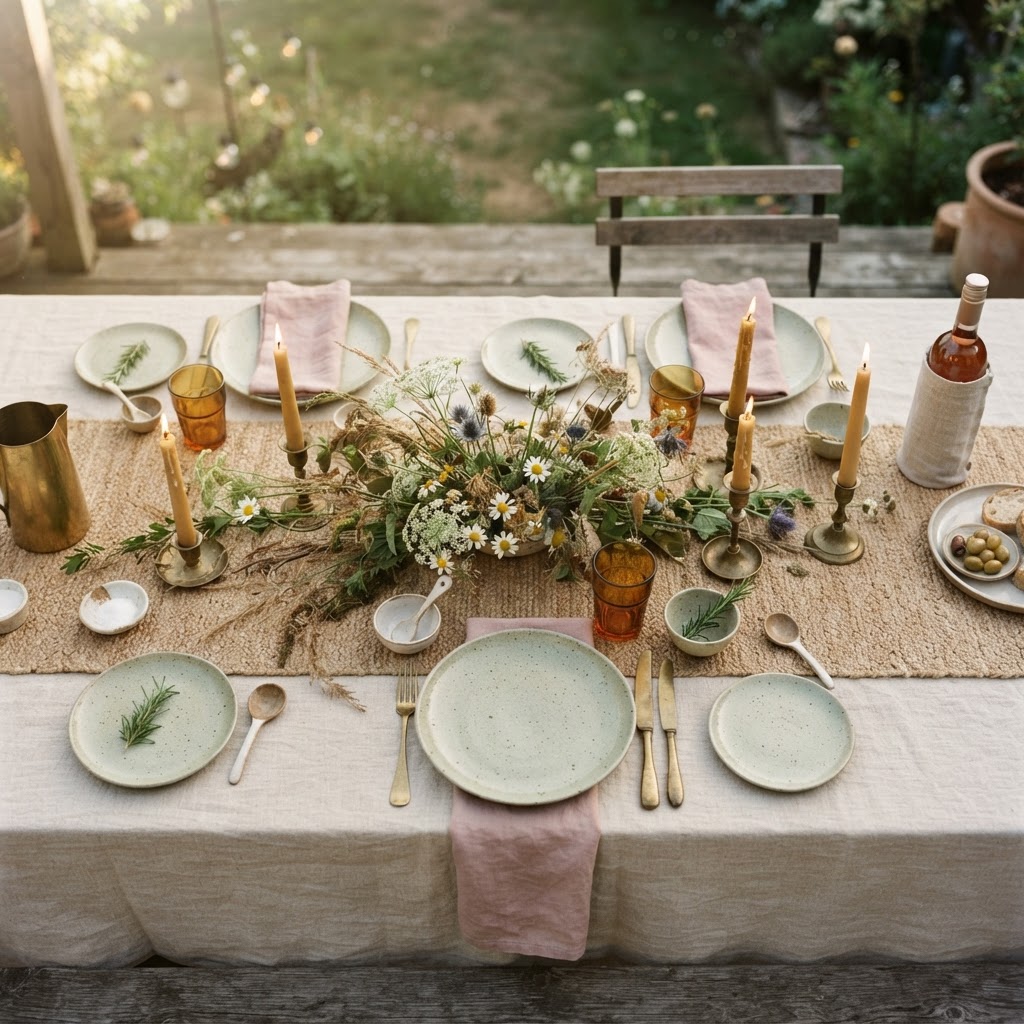
There's a moment every host knows. The food is ready, the wine is open, and guests are about to arrive. But before anyone tastes anything, they see the table. And in that first glance, something shifts. A table that's been styled doesn't just hold plates — it tells your guests they matter. It says someone thought about this evening before it began.
Tablescaping is the art of that first impression. It's not about spending a fortune on matching china or formal centrepieces. It's about layering textures, playing with height and light, and creating a setting that feels intentional without feeling precious. For Airbnb hosts, it's one of the most powerful — and most overlooked — tools you have. A styled table transforms a functional dining space into the heart of the home, and it's often the detail guests photograph and remember long after checkout.
Here's how to master the art of tablescaping in 2026, with practical tips that work whether you're styling for two guests or twelve.
THE DIFFERENCE BETWEEN SET AND STYLED
A set table is functional. It provides the tools for a meal — plates, cutlery, glasses. A styled table is something else entirely. It uses curated layers of linen, glassware, and natural elements to build a narrative before the first course even arrives. The shift we're seeing in 2026 is toward 'relaxed elegance' — beauty that feels approachable and warm rather than cold or untouchable. Your guests shouldn't feel afraid to move a plate.
THE FOUNDATION: LAYERING TEXTILES
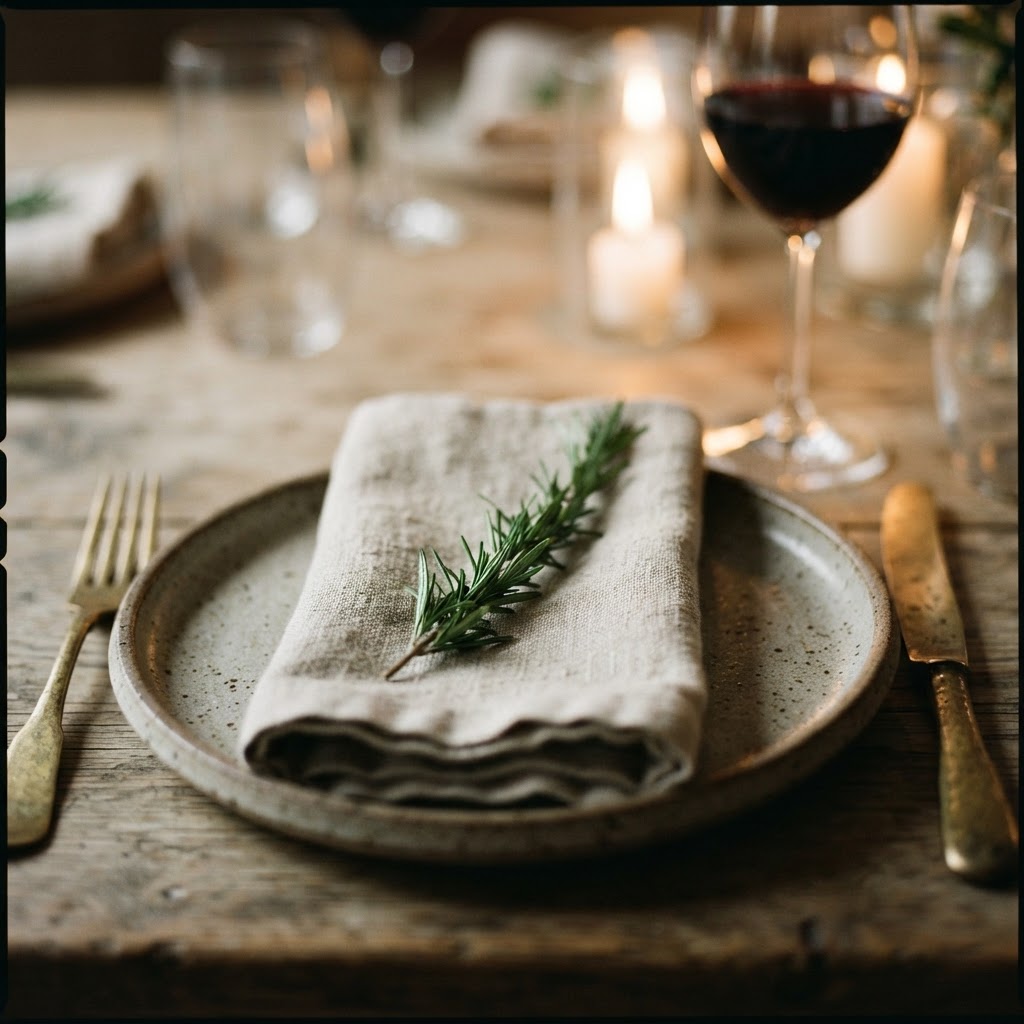
Every great tablescape starts with the base layer. A full tablecloth in natural linen creates a soft, formal canvas that dampens sound and warms the room. Leaving the table bare highlights the wood grain and feels grounded and organic — a look that works beautifully with rustic or modern interiors. A runner offers the middle ground: it creates a visual line down the table, protects the surface, and gives you something to build on.
The secret to a designer-level table is the intentional contrast of materials. Pair crisp linen with woven jute or rattan. Use a heavy runner over a lightweight cloth. Treat napkin rings like the jewellery of the setting — they tie the colour palette together and add a final, polished touch.
COLOUR: MONOCHROMATIC IS THE 2026 GOLD STANDARD
This year, monochromatic layering is the gold standard for high-end hosting. Choose a single hue — soft sage green, warm terracotta, deep ochre — and use varying shades across your linens, ceramics, and accents. The result is sophisticated, unified, and effortlessly modern. If you want more energy, try complementary contrasts: warm wood tones with cool mineral shades, or deep burgundy with soft cream. The key is restraint. Every surface doesn't need decoration. Strategic empty space — what designers call 'visual rest' — lets the details that matter most actually land.
THE CENTREPIECE: FORAGED, NOT FORMAL
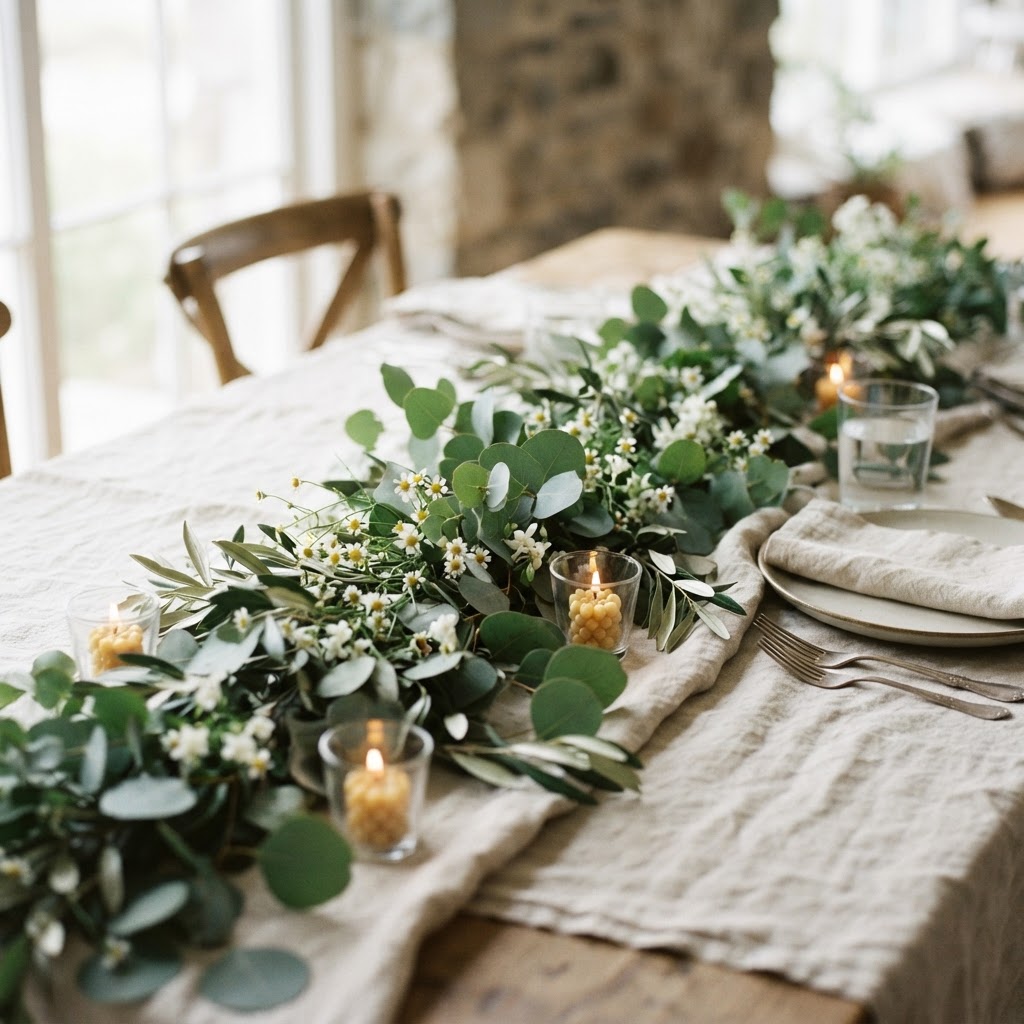
The best 2026 centrepieces don't come from a florist. They come from the garden, the hedgerow, or the park. Loosely arranged eucalyptus, olive branches, and small wildflowers winding naturally down the table centre — interspersed with small cluster candles in clear glass — create an organic, unpretentious feel that looks like someone gathered it five minutes before guests arrived. Because that's exactly what you should do.
Keep it low. High arrangements block conversation and make the table feel formal. Low greenery encourages eye contact and keeps the energy intimate. If you're using vases, cluster three of varying heights rather than one large one — the rule of three creates visual interest without rigidity.
THE RULE OF THREE: A SIMPLE DESIGN PRINCIPLE
The rule of three is a design principle that says objects grouped in odd numbers are more pleasing to the eye than even-numbered arrangements. Three vases of varying heights. Three cluster candles. Three sprigs of greenery. It works because it creates variation in scale and height while still feeling cohesive. Apply it to your centrepiece, your candle groupings, and even your place settings — a plate, a napkin, and a small decorative object. It's the simplest trick in the book, and it works every time.
LIGHTING: THE FINAL LAYER
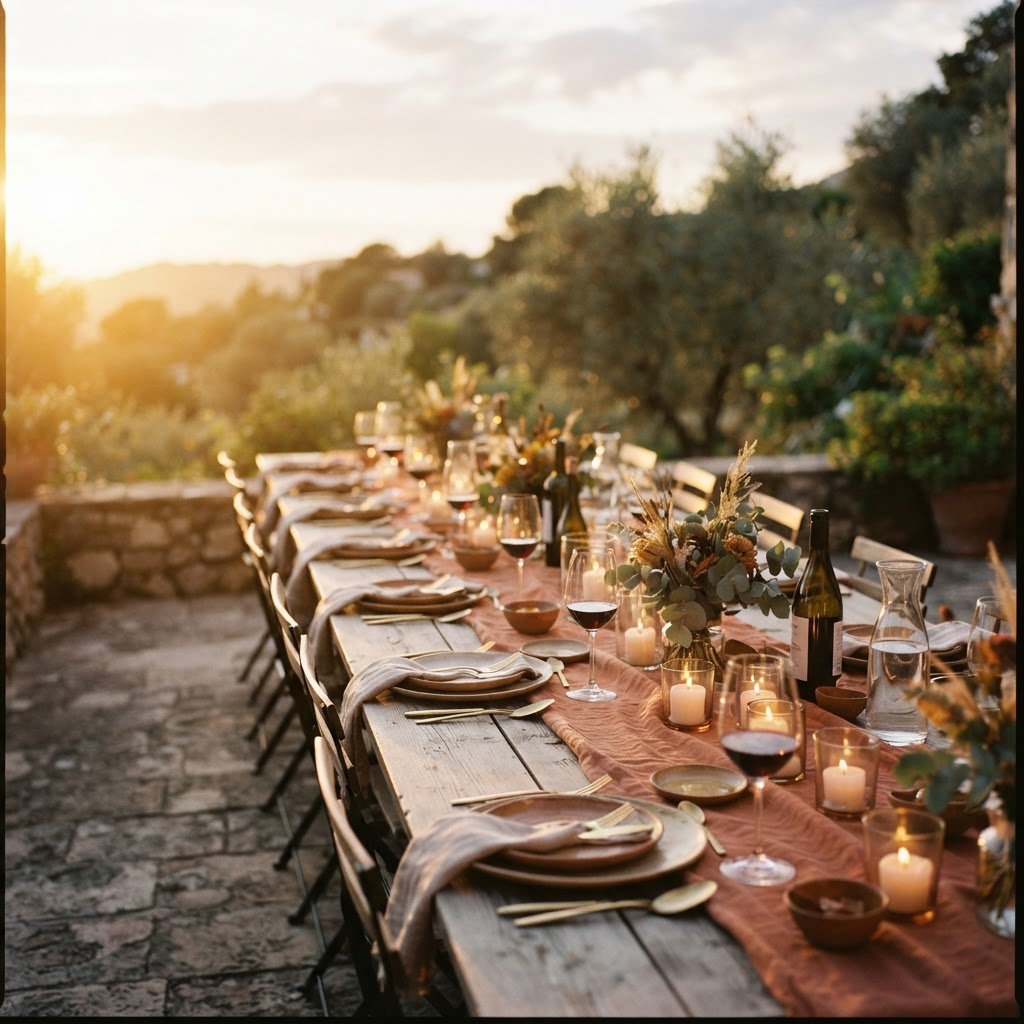
No amount of beautiful ceramics will save a table lit by a harsh overhead bulb. Lighting is the final layer of any tablescape, and it's the one that creates the mood. Beeswax taper candles in mismatched brass holders. Cluster candles in glass votives. Tea lights scattered between plates. The goal is warm, layered, low light that makes everything glow. If you're hosting outdoors, the setting sun does the work for you — position the table to catch the last golden hour and you've got magic for free.
For Airbnb hosts, this is the easiest upgrade with the biggest impact. A set of taper candles and a handful of votives costs less than £15 and transforms the entire dining experience. Replace the cool white bulb in the dining pendant with a warm 2700K one. Done.
VINTAGE LAYERS: PERSONALITY OVER PERFECTION
One of the biggest 2026 trends is vintage layering — mixing preloved ceramics, thrifted glassware, and mismatched pieces to create a table that feels collected rather than bought. It's the antidote to the matching-dinner-set approach, and it's perfect for hosts on a budget. Thrift stores, charity shops, and flea markets are full of characterful tableware that costs a fraction of new pieces. A vintage pewter ice bucket. Hand-painted ceramic plates. Mismatched wine glasses in amber and clear. The trick is to keep a consistent colour story — warm earth tones, for instance — while letting the individual pieces vary.
BAMBOO AND RATTAN: TEXTURE WITHOUT FORMALITY
Bamboo cutlery and woven rattan accents are having a moment in 2026, bringing a touch of '60s Riviera elegance to the table. The appeal is simple: bamboo instantly makes a table feel less formal. It adds warmth and texture without competing with everything else. A set of bamboo-handled forks and knives, a woven rattan vase, or even bamboo placemats — these are affordable pieces that make a table feel considered and relaxed at the same time.
BUDGET TABLESCAPING FOR HOSTS
You don't need a styling budget to create a beautiful table. The most effective tablescapes use what's already around you — foraged greenery, mismatched candles, a linen runner you already own. Start with charity shop finds: ceramic plates for £1 each, vintage glassware, brass candleholders. Build a small collection of versatile pieces — a natural linen runner, a set of plain stoneware plates, a handful of brass votives — that you can layer differently for each season. The investment is small. The return on guest impression is enormous.
SEASONAL TABLESCAPING
The beauty of a good tablescape foundation is that it adapts. In summer, strip it back — bare wood, a simple runner, a handful of wildflowers, and a few candles. In autumn, layer up — heavier linens in ochre and burgundy, miniature pumpkins or gourds, dried wheat, and taller tapers. At Christmas, bring in evergreen sprigs, cinnamon sticks, and warm brass. The same runner, the same candles, the same plates — just reimagined for the season. For Airbnb hosts, this means one set of base pieces can serve you year-round with a few seasonal additions.
KEEPING IT PRACTICAL FOR GUESTS
There's a balance to strike. A fully styled table looks beautiful in photos, but if guests feel they can't move anything without ruining the look, it's failed. The 2026 approach to tablescaping is deliberately relaxed — pieces that look beautiful but are meant to be used. A styled table should invite guests to sit down, not feel like a museum display. For hosts, this means styling a table that looks intentional but clearly functional. Keep the centrepiece low enough for conversation. Leave space for plates and glasses. And don't set the table so fully that guests don't know whether they're allowed to touch it.
CATALOGUE YOUR TABLEWARE WITH CURATOR
As you build a collection of vintage finds and versatile base pieces, the Curator app helps you catalogue your tableware, track what you have, and plan new tablescapes before you buy. Perfect for hosts managing multiple properties or rotating seasonal settings.
The best tablescapes aren't the ones that cost the most. They're the ones that make guests pause when they walk in — that make them reach for their phone to take a photo before they even sit down. A linen runner, foraged greenery from the garden, a handful of candles, and plates that don't match but somehow belong together. That's the art. And for an Airbnb host, it's one of the most effective ways to turn a good listing into an unforgettable one. Because the table is where the best stories are told. Make it worth sitting down to.


Comments